 Sophie TaylorVIEW PROFILE →
Artemis II brings humans back to the Moon's vicinity for the first time in over 50 years
NASA's Artemis II mission carried four astronauts around the Moon and safely home in April 2026, the first crewed lunar flight since 1972. The 10-day journey aboard the Orion spacecraft set a record for the farthest humans have ever traveled from Earth and cleared the path for a crewed landing later
Humanity has returned to the Moon's neighbourhood. In April 2026, NASA's Artemis II mission carried four astronauts on a journey around the Moon and safely back to Earth, marking the first crewed lunar flight in more than five decades. The success of the mission represents a turning point for space exploration and sets the stage for humans to walk on the lunar surface once again.
A launch decades in the making
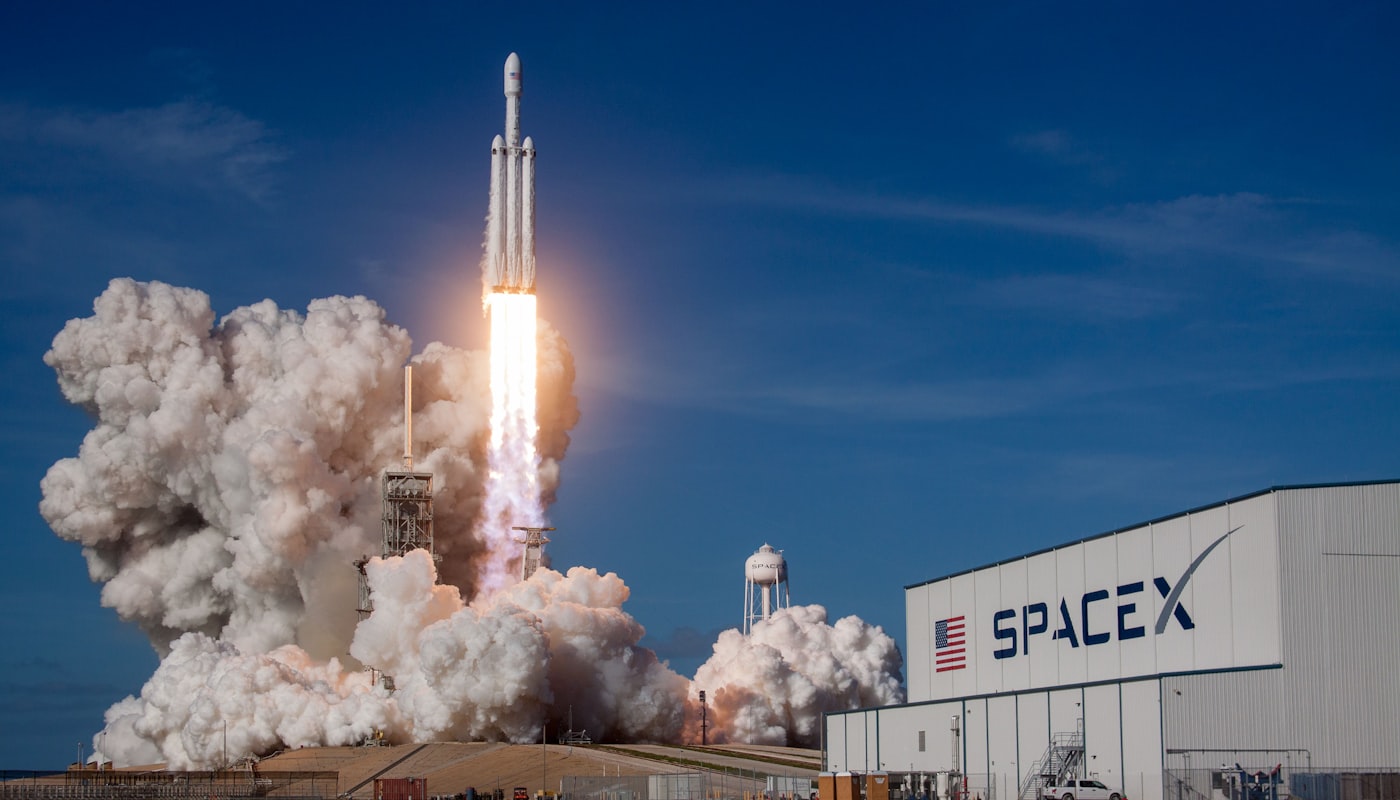
The mission began on April 1, 2026, when NASA's Space Launch System rocket lifted off from Launch Pad 39B at the Kennedy Space Center in Florida at 6:35 p.m. Pacific time. The enormous rocket generated some 8.8 million pounds of thrust to push the Orion spacecraft, named Integrity by its crew, out of Earth's atmosphere and onto a path toward the Moon.
Artemis II was the first crewed lunar mission since 1972, when the last of the Apollo astronauts left the Moon. For a generation that had only read about people travelling beyond low Earth orbit, the launch was a powerful reminder of what human spaceflight can achieve. The mission had been years in development, drawing on lessons from the uncrewed Artemis I flight that preceded it.
The four astronauts aboard Orion
The crew of Artemis II brought together experience from two nations. Commander Reid Wiseman and Pilot Victor Glover, both NASA astronauts, led the flight alongside Mission Specialist Christina Koch of NASA. They were joined by Mission Specialist Jeremy Hansen of the Canadian Space Agency, whose presence underlined the international character of the modern Artemis programme.
Christina Koch, already known for holding the record for the longest single spaceflight by a woman, added another milestone to her career with this mission. The diverse crew reflected NASA's stated ambition to make lunar exploration more representative than the Apollo era, and their journey was followed closely by audiences around the world.
Around the Moon and back
During the flight, the Orion spacecraft swung around the Moon in a lunar flyby, passing as close as 4,067 miles above the lunar surface. Rather than entering orbit, the mission used the Moon's gravity to loop around it, a manoeuvre that tested the spacecraft's systems and its ability to keep a human crew safe far from home.
The astronauts used the flyby to capture striking images of the Moon and of the distant Earth, views that few human eyes have ever seen directly. The mission was designed above all to verify that Orion, its life support systems and the SLS rocket could carry people safely on the long round trip, a crucial step before any attempt to land.
A record-setting journey
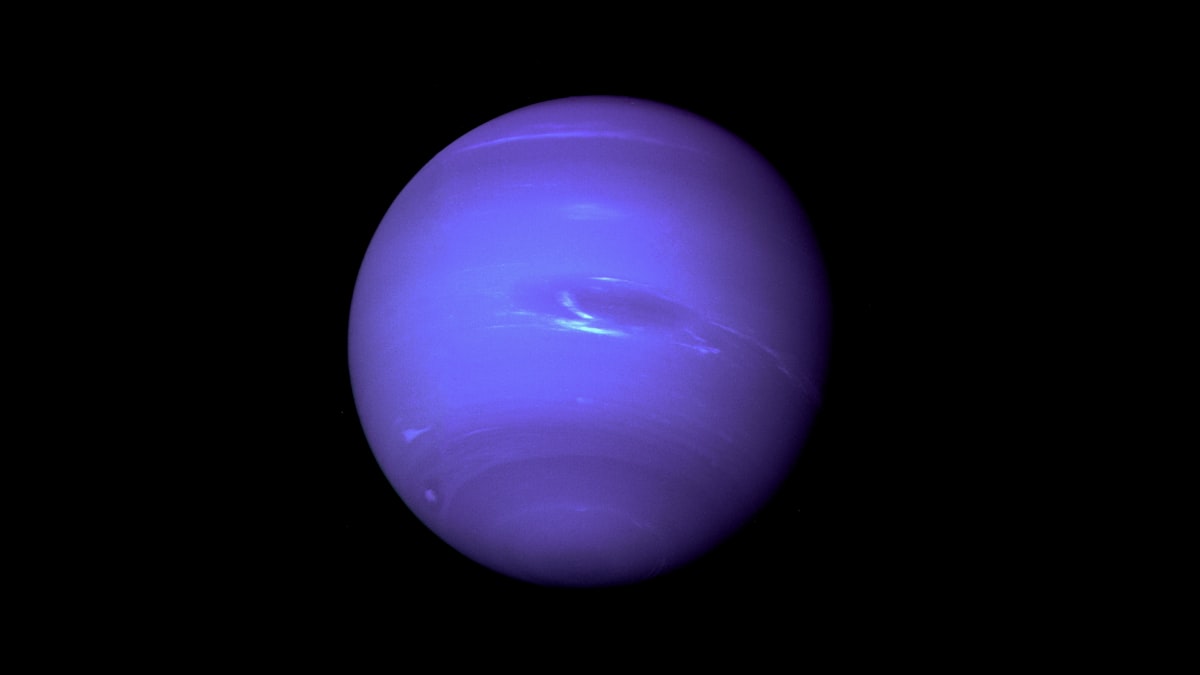
At its farthest point, the crew travelled 252,756 miles from Earth, setting a record for the greatest distance humans have ever journeyed into space. Over the course of the mission, Orion covered a total of 695,081 miles, a figure that captures the sheer scale of a voyage to the Moon and back across roughly ten days.
The mission came to a close on April 10, 2026, when Orion splashed down in the Pacific Ocean off the coast of San Diego at 5:07 p.m. Pacific time. The recovery ship USS John P. Murtha was on hand to retrieve the capsule and its crew, bringing the record-setting flight to a safe and successful conclusion.
What comes next
Artemis II was never intended as an end in itself but as a bridge to bolder goals. By proving that the Orion spacecraft and the Space Launch System can carry a crew around the Moon and home again, the mission cleared a major hurdle on the road to returning people to the lunar surface for the first time since the Apollo programme.
Attention now turns to Artemis III, which is scheduled for 2028 and aims to land astronauts near the Moon's South Pole, a region thought to hold water ice that could support future exploration. If it succeeds, that mission would open a new chapter in which the Moon becomes not just a destination to visit but a place where humans learn to live and work, and a proving ground for journeys deeper into the Solar System.