 Sophie TaylorVIEW PROFILE →
Australia cements its lead in rooftop solar as a home battery boom reshapes the grid
Australia is consolidating its position as a global leader in rooftop solar power, with record installations and a surge in home battery storage transforming the national electricity market. New government incentives and falling costs are driving renewables to record shares of generation as the coun
Australia is firmly cementing its reputation as one of the world's great success stories in rooftop solar power. Across the country, millions of homes and small businesses have embraced solar panels, and a rapidly growing number are now adding battery storage as well. Together, these trends are reshaping the national electricity system and pushing renewable energy to record levels of generation across the market.
A global leader in rooftop solar
The scale of Australia's rooftop solar deployment is remarkable by any international standard. By the middle of 2025, the country had installed around 26.8 gigawatts of rooftop solar across approximately 4.2 million homes and small businesses. This means that solar panels now grace nearly one in three Australian homes, a level of adoption that makes the country a world leader in rooftop solar on a per capita basis.
The contribution of these small systems to the wider grid is substantial. In the first half of 2025, rooftop solar provided around 12.8 per cent of Australia's total electricity generation. Monthly installation records have continued to fall, with September 2025 marking a particularly impressive milestone as 302 megawatts of new capacity was added in a single month, the highest monthly figure recorded at that point.
The momentum carried into 2026 with even stronger numbers. Australia registered a record 442 megawatts of new small scale rooftop solar capacity in April 2026, representing a 31 per cent increase over the previous month and almost double the volume installed in April of the previous year. By early 2026, total rooftop solar had reached around 28.3 gigawatts across roughly 4.3 million installations.
The home battery boom
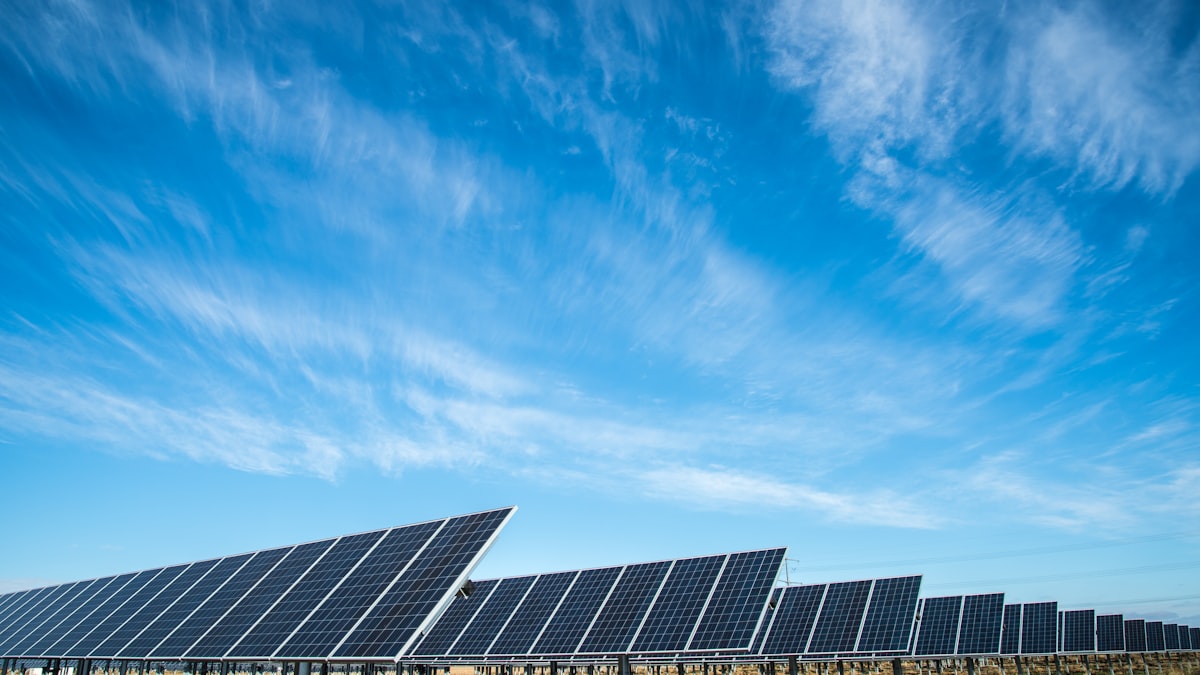
While solar panels have dominated the story for years, battery storage is now emerging as the fastest growing part of the market. According to the Clean Energy Regulator, more than 193,000 batteries were installed in 2025, delivering 4.6 gigawatt hours of capacity. The regulator noted that this represented more storage capacity than the twelve largest in service large scale batteries in the National Electricity Market combined.
The pace of this growth has been extraordinary. Battery adoption surged dramatically through 2025, with Australians purchasing around 85,000 battery units in the first half of the year alone, a 191 per cent increase over the same period in 2024. Cumulative installations reached approximately 271,000 units by the middle of 2025, reflecting a fundamental shift in how households think about managing their own energy.
Government policy has played a central role in accelerating this trend. Under the newly introduced Cheaper Home Batteries Scheme, a total of more than 401,000 batteries were recorded under the Small scale Renewable Energy Scheme between the start of July 2025 and the end of May 2026. That figure is more than twelve times the roughly 31,000 batteries voluntarily reported alongside solar systems in all of 2024.
Ambitious projections for 2026
Looking ahead, the Clean Energy Regulator has set out ambitious expectations for the year. It forecasts that between 350,000 and 520,000 residential battery installations could take place in 2026, delivering between 8 and 12 gigawatt hours of storage capacity. The regulator acknowledged that the wide range reflects genuine uncertainty about how quickly households will take up the new incentives on offer.
Rooftop solar installations are also expected to keep climbing. After around 2.8 gigawatts from approximately 270,000 systems in 2025, the regulator projects between 3 and 3.7 gigawatts of new rooftop solar in 2026. The Cheaper Home Batteries Scheme is expected to support demand for both new systems and upgrades, as households combine fresh solar panels with storage to maximise their savings.
Large scale projects surge
The renewable expansion is not limited to household rooftops. On the large scale side, 2025 saw a total of 4 gigawatts of project approvals, including 3 gigawatts of solar. The Clean Energy Regulator described this as the biggest year for large scale solar approvals on record, comfortably beating the previous record of 2.5 gigawatts that had been set back in 2018.
Grid scale solar generation has grown alongside these approvals. During the third quarter of 2025, grid scale solar reached an average output of around 1,699 megawatts, a 16 per cent increase compared with the same period a year earlier. This combination of household and utility scale growth is steadily transforming the generation mix that underpins the entire national market.
Renewables reach record shares
The cumulative effect of all this activity is visible in the headline figures for renewable energy. Renewables comprised around 42.7 per cent of the National Electricity Market during the third quarter of 2025, and that share continued to climb, reaching close to 49.9 per cent in the fourth quarter of the year. The federal government has set a target of 82 per cent renewable electricity generation by 2030.
For households, the financial case has become increasingly compelling. Installing rooftop solar can save a typical household around 1,500 dollars each year, with those savings nearly doubling when battery storage is added to the system. As costs continue to fall and incentives expand, Australia appears set to strengthen its position at the forefront of the global shift toward clean, decentralised electricity generation.