 Sophie TaylorVIEW PROFILE →
The Year Rockets Became Routine: Inside 2026's Record-Shattering Launch Cadence
In 2026, getting to space stopped being an event and started being a routine. With SpaceX passing 100 missions by August and the world on track to beat last year's record, this is the year launch went industrial, and the promises and pressures that come with it.
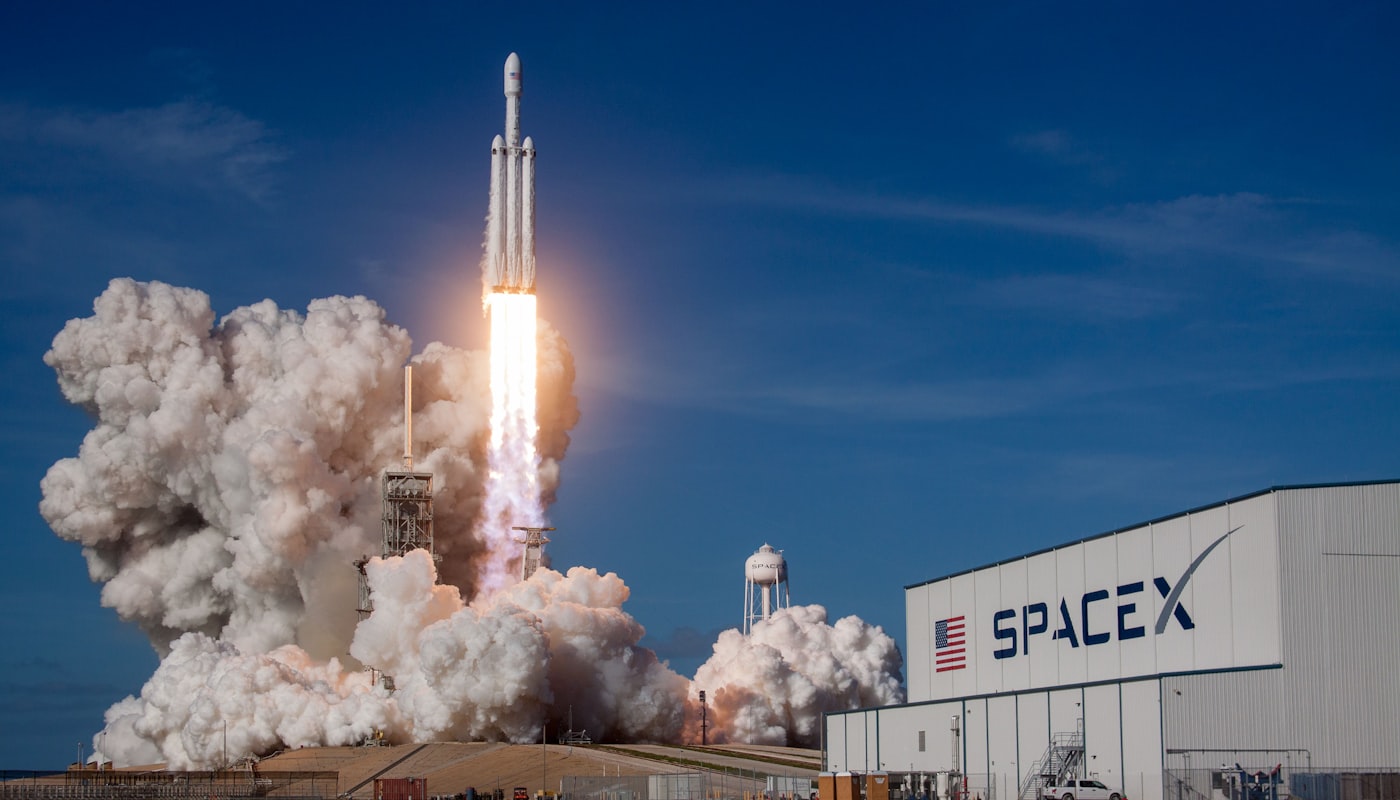
For most of the space age, a rocket launch was a rare, headline-grabbing event, something you cleared your schedule to watch. In 2026 that idea quietly died. Rockets are now leaving the pad at a pace that would have seemed absurd just a decade ago, and access to orbit has begun to feel less like a spectacle and more like scheduled freight. The clearest symbol of the shift came in August, when a single company, SpaceX, launched its one-hundredth orbital mission of the year, with months still left on the calendar.
A hundred missions, and counting
The numbers behind that milestone are staggering. SpaceX completed roughly eighty Falcon 9 missions before the midpoint of 2026 alone, and is on pace to fly a hundred and fifty or more before the year is out. That means a major orbital launch every couple of days, from one operator, week after week, with a reliability that has turned what used to be a nail-biting gamble into something closer to an airline timetable. The rocket, in effect, has become infrastructure.
A record year for the whole world
It is not only an American story. Taken together, the world's launch providers have put 2026 on track to exceed the record of roughly three hundred and twenty-four orbital launch attempts set in 2025, itself an all-time high. More countries, more private companies and more rockets are reaching orbit than at any point in history. The cadence that once defined the peak of a national space programme is now simply the background hum of a maturing global industry.
Reusability goes global
A big reason for the acceleration is that reusability, long the hallmark of SpaceX alone, is spreading. In August, China's ZhuQue-3 became the first Chinese-made rocket to land back on its own legs, a technique that turns an expensive, single-use machine into one that can fly again and again. As more players master the art of landing and reflying their boosters, the cost of reaching orbit keeps falling, and the number of launches a provider can sustain keeps climbing.
Constellations drive the engine
Behind all this activity sits a voracious source of demand: the mega-constellations. Networks of thousands of small satellites need to be lofted and constantly replenished, and in August alone the year's two-thousandth Starlink satellite reached orbit, alongside new batches for rival systems such as Amazon's Leo. SpaceX's giant Starship, meanwhile, began deploying its first operational payloads, hinting at an even steeper jump in how much hardware can be carried aloft in a single flight.
The promise and the pressure
Cheaper, more frequent access to space is genuinely transformative, opening the door to more science, more connectivity and more business beyond Earth. But the same boom brings mounting pressure. Low Earth orbit is growing crowded, the risk from space debris is climbing toward a tipping point, and the task of coordinating so much traffic is becoming urgent. The age of routine launch is here, and with it comes both the promise of the high frontier and the harder work of keeping it sustainable.