 Sophie TaylorVIEW PROFILE →
Beyond the Launch Pad: The Australian Payloads Quietly Heading to Orbit and the Moon in 2026
While rockets grab the headlines, Australia's real space story in 2026 is riding on other people's launches. From an ultra-precise optical atomic clock bound for orbit to plants headed for the Moon, here are the homegrown missions putting Australian science into space this year.
When people picture a nation's space ambitions, they usually imagine towering rockets and fiery launches lighting up the sky. Yet for Australia, much of the most exciting progress in 2026 is happening far more quietly, with clever homegrown technology hitching a ride to orbit and even to the Moon aboard the launches of international partners rather than roaring skyward from Australian soil.
A clock of extraordinary precision
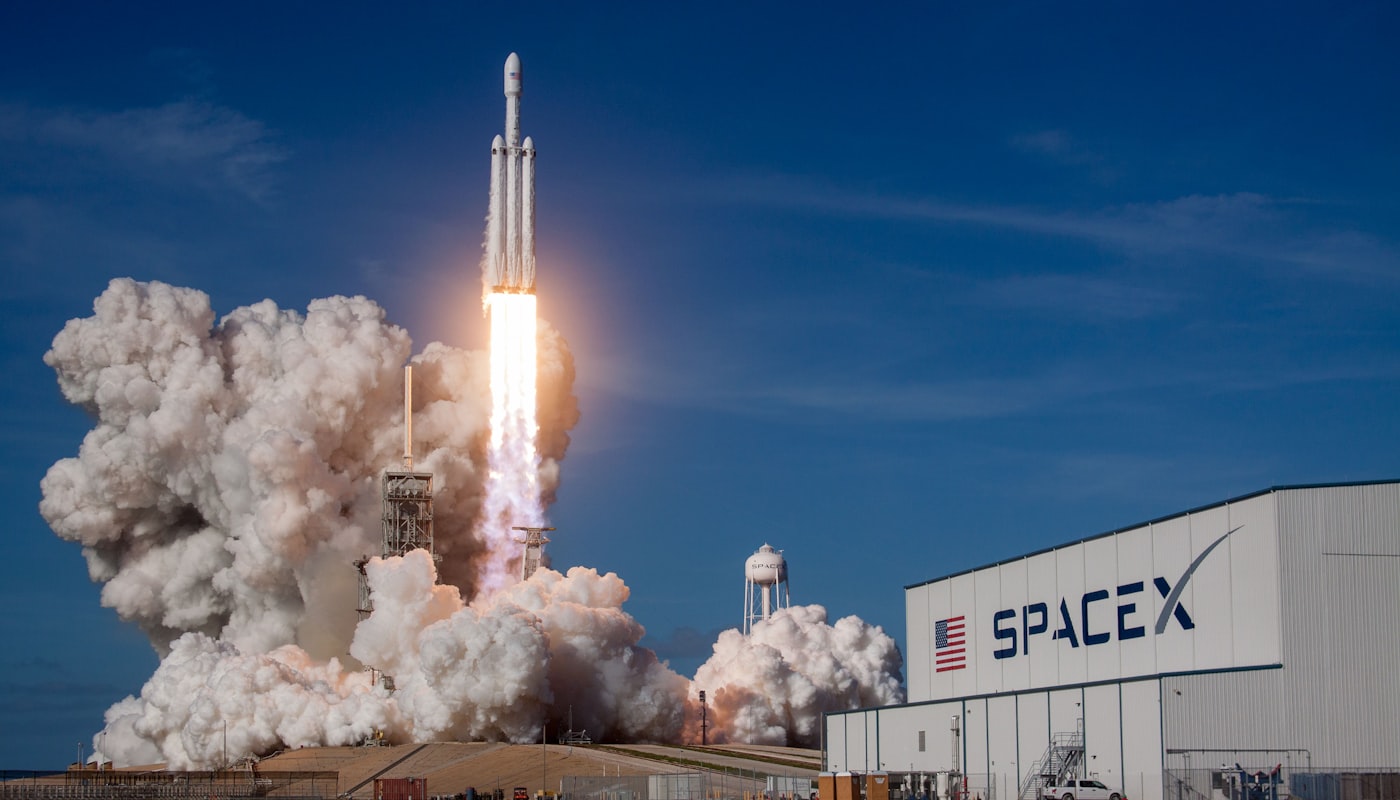
One of the standout Australian contributions to space this year is a remarkable piece of timekeeping technology that could have profound practical implications. The company QuantX Labs is set to launch its cutting-edge optical atomic clock technology into orbit as part of a mission carried by SpaceX, marking a significant milestone for Australian precision engineering on the global stage.
The importance of this particular technology extends well beyond simply telling the time with incredible accuracy, as it addresses a genuine strategic vulnerability. This Agency-supported optical atomic clock is designed to offer a robust and reliable alternative to the traditional Global Navigation Satellite Systems, the very networks that power everything from our phone maps to critical national infrastructure across the world.

In an age where dependence on satellite navigation has become almost total, having a resilient backup is far from a trivial concern for any modern nation. Should the conventional navigation satellites ever be jammed, spoofed or otherwise disrupted, a highly precise atomic clock in orbit could provide an independent and trustworthy source of timing and positioning, making this a matter of genuine sovereign resilience.
Life headed for the Moon
Perhaps even more evocative is another Australian-backed experiment that reaches toward one of humanity's oldest dreams, that of growing life beyond our own planet. Known as ALEPH-1, this is a biological experiment supported by the Australian Space Agency that is designed to test the survivability and the growth of plants both in the harsh environment of space and, remarkably, on the surface of the Moon itself.
This ambitious little experiment will make its historic journey aboard a mission operated by the American company Intuitive Machines, a key player in the new era of commercial lunar exploration. The question of whether plants can take root and flourish off-world is absolutely fundamental to any long-term human presence beyond Earth, making this humble botanical test a crucial building block for the future.
The implications of successfully growing plants on the Moon are enormous for the grand vision of establishing sustainable human outposts on other worlds. Plants could one day provide future lunar settlers with fresh food, breathable oxygen and even a comforting psychological connection to home, transforming a barren grey landscape into something that could genuinely support human life over the long term.
A champion for the cause
Beyond these specific hardware missions, Australia's growing stature in space is also being reflected at the highest levels of diplomacy and public recognition throughout the year. The Australian Government has been actively engaging with the European Space Agency regarding a potential mission involving Katherine Bennell-Pegg, a figure who has become a powerful symbol of the nation's soaring space ambitions.
Bennell-Pegg, who holds the honour of being named the 2026 Australian of the Year, represents the human face of this technological push into the cosmos. Her prominence helps to inspire a new generation of scientists and engineers, while the ongoing dialogue with a major agency like the ESA underscores just how seriously Australia is now being taken as a genuine and valued partner in international space endeavours.
A different kind of space race
What ties all of these disparate efforts together is a distinctly pragmatic and collaborative Australian approach to carving out a place among the stars. Rather than pouring every resource into the enormously expensive business of building sovereign rockets, the nation is cleverly leveraging international partnerships to get its brightest ideas and most valuable technology into space efficiently and effectively.
From a clock that could safeguard our navigation systems to seeds that might one day sprout on the Moon, these 2026 missions paint a compelling portrait of a space nation on the rise. They prove that Australia's contribution to the final frontier will be measured not just in the rockets it launches, but in the ingenuity and scientific ambition of the payloads it sends soaring into the great beyond.