 Sophie TaylorVIEW PROFILE →
The Private Orbit Era Begins: Inside Vast's Haven-1, the World's First Commercial Space Station
Vast is in the final stages of building Haven-1, set to become the world's first commercial space station when it launches on a SpaceX Falcon 9 no earlier than May 2026. Here is what the station will do and why it matters for the future of orbit.
Space coverage lately has been dominated by record-breaking rocket launches, giant radio telescopes rising in the Australian outback, and humanity's return to the vicinity of the Moon. Yet one of the most quietly revolutionary developments of 2026 is unfolding closer to home, in low Earth orbit, where a private company is preparing to launch what will be the world's first commercial space station.
The company behind it is Vast, and its Haven-1 station represents a genuine turning point in the story of human spaceflight. For decades, orbital outposts were the exclusive domain of national space agencies and their governments. Now a privately built and privately operated station is on the verge of joining them, signalling the arrival of a new commercial era above our heads.
A launch on the horizon
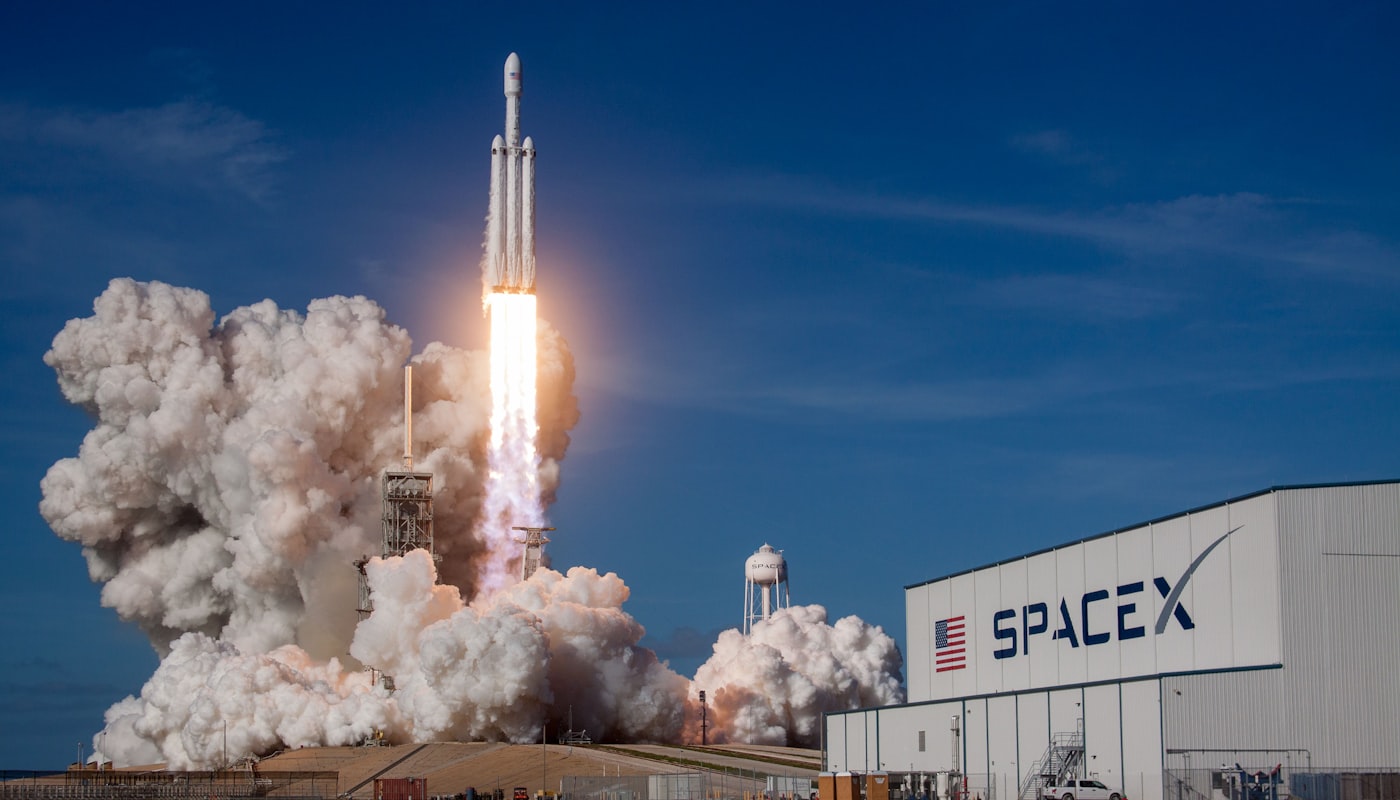
The timeline is now firmly in view. Haven-1 is expected to launch no earlier than May 2026, riding to orbit aboard a SpaceX Falcon 9 rocket. After years of design and development, the project has moved from concept and paperwork into the tangible, hardware-driven final phase that precedes any real spaceflight.
The evidence of that progress is concrete. Vast has moved into the final stages of building the station, having completed the final weld on the primary structure, a critical milestone, which was then followed by painting. These are the unmistakable signs of a vehicle transitioning from the factory floor toward the launch pad.
The station will not stay empty for long. The first crewed mission, known as Vast-1, is set to launch no earlier than June 2026, just weeks after the station itself reaches orbit. That tight sequence underlines the confidence the company has in its hardware and its ambitious operational schedule.
A station the size of a small bus
For all its historic significance, Haven-1 is a compact outpost rather than a sprawling complex. It offers roughly the interior volume of a small tour bus, at around 45 cubic metres, a modest but functional space designed to comfortably host a small crew for short-duration stays in orbit.
Despite that intimate interior, the station is a heavyweight in engineering terms. Weighing in at around 31,000 pounds, or roughly 14,000 kilograms, Haven-1 will become the largest single spacecraft ever to lift off atop a Falcon 9 rocket, a notable feat that pushes the workhorse launcher toward the upper limits of its capability.
The crewed missions themselves are built around the proven SpaceX Dragon spacecraft. The first human spaceflight to Haven-1 will carry a four-person crew aboard Dragon, which will dock with the station and remain attached for up to 30 days while orbiting the Earth, effectively turning the capsule and station into a temporary orbital home.
A three-year proving ground
Haven-1 is conceived as a stepping stone rather than a permanent fixture. The station is planned to host up to four short-duration astronaut missions during a three-year lifespan, with crews of four people typically spending around ten days at a time aboard, testing the systems and demand for private orbital stays.
This relatively short lifespan is by design, serving as a proving ground for the technologies and business model that will underpin far larger stations to come. Every mission is an opportunity to validate life support, operations and the commercial appetite for time in orbit, lessons that will feed directly into future, more ambitious projects.
Connectivity is part of that modern vision too, with the station set to be linked by SpaceX's Starlink network. High-speed internet in orbit may sound like a minor detail, but it reflects how thoroughly commercial infrastructure is now being woven into human spaceflight from the very outset.
Why it matters
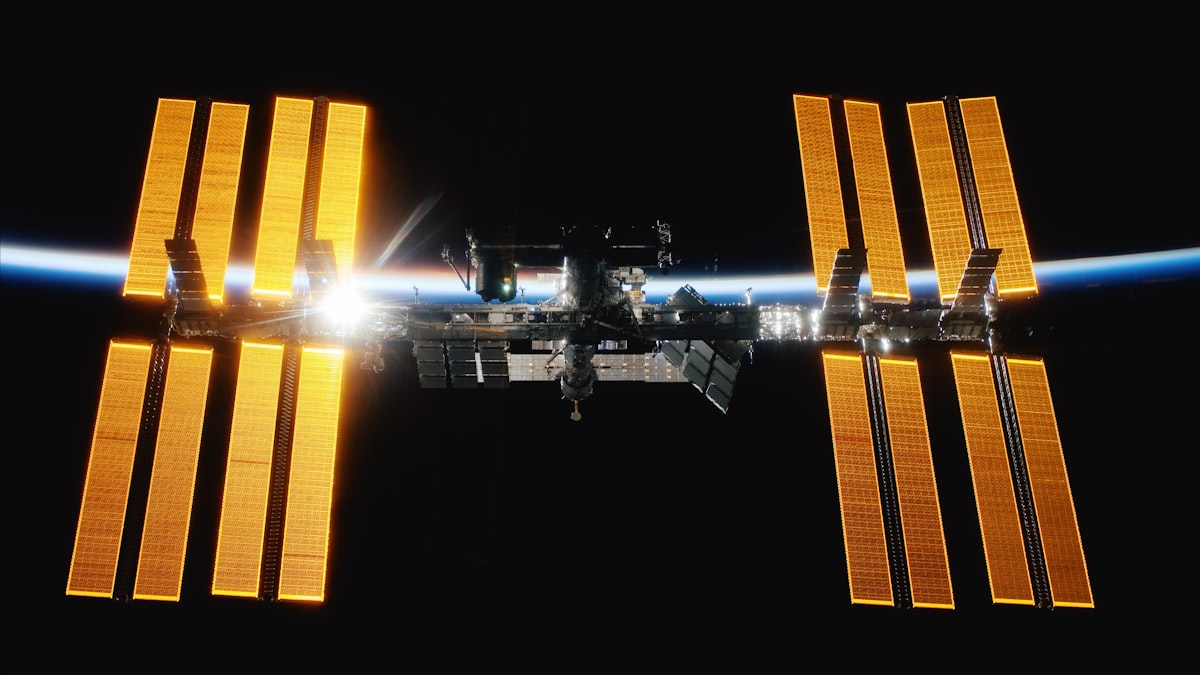
The significance of Haven-1 extends well beyond a single small station. With the ageing International Space Station approaching the end of its operational life, privately built outposts like Haven-1 are being positioned to fill the gap, ensuring humanity maintains a continuous presence in low Earth orbit through commercial rather than purely governmental means.
If Vast succeeds, 2026 may be remembered as the year the commercialisation of orbit truly began in earnest. For researchers, companies and even private citizens, the arrival of the first commercial space station opens a door to space that, until now, only a handful of national agencies could ever unlock.