 Sophie TaylorVIEW PROFILE →
Starship's Long Road to Orbit: Inside SpaceX's Version 3 Test Campaign
After a mostly successful thirteenth flight on July 25, SpaceX is closing in on Starship's first orbital mission, expected as soon as September. The upgraded Version 3 vehicle is edging toward the reliability NASA and Musk's Mars ambitions demand.
For all the talk of Mars colonies and lunar landings, the reality of SpaceX's Starship programme in 2026 remains a grinding, iterative campaign of test flights, each one designed to push a little further than the last. The world's most powerful rocket is inching, flight by flight, toward the milestone that will change everything: reaching orbit.
That milestone now appears tantalisingly close. Following the completion of static fire tests on the next vehicle, SpaceX could be on track to launch Starship Flight 14 sometime in early to mid September, and that mission is widely expected to be the first genuine orbital flight of the enormous rocket after years of suborbital hops.
A Flight of Partial Successes
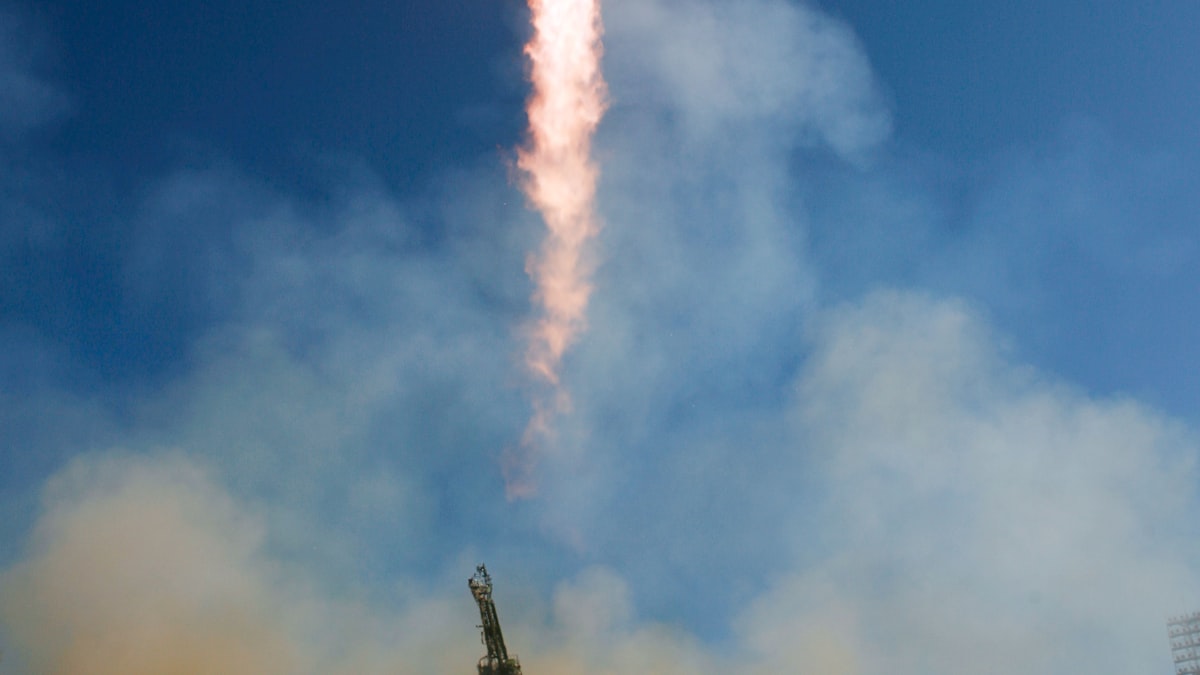
The most recent test, Flight 13, lifted off on 25 July 2026 from Starbase in Texas at 5:51 p.m. Eastern time. The 407-foot-tall vehicle, powered by 33 methane-fuelled Raptor engines on its Super Heavy booster, represented the second flight of the third-generation hardware that SpaceX introduced earlier in the year.
The results were, in the company's characteristic framing, mostly successful. The upper stage performed admirably, reaching space with all six of its Raptor engines firing and completing a sub-orbital hop to the Indian Ocean, where it splashed down roughly one hour and five minutes after launch and, remarkably, remained fully intact and floating on the surface.
The booster told a more complicated story. During its descent, only 10 of its 13 planned engines restarted, and by the moment of splashdown just five appeared to be running. The result was a hard splashdown in the Gulf of Mexico, faster than intended, though SpaceX had deliberately chosen ocean splashdowns over mid-air catches for these early Version 3 flights as a safety precaution.
Real Payloads, Real Data
What set Flight 13 apart from earlier demonstrations was the presence of genuine mission objectives beyond simply surviving. The vehicle deployed 20 third-generation Starlink satellites in a real-world test of its payload capabilities, a crucial step toward proving that Starship can eventually earn its keep as an operational launch system.
Six of those satellites carried cameras designed to inspect the heat shield and the overall condition of the vehicle, giving engineers an unprecedented view of how the ship fares during the punishing ascent and re-entry. The flight also successfully demonstrated the ability to restart a Raptor engine in the vacuum of space, a capability essential for orbital operations.
These incremental wins matter because Starship's development philosophy is built on flying hardware, failing fast, and folding each lesson into the next iteration. The May flight, by contrast, had seen the booster miss its landing target and the ship suffer an early engine shutdown, so the July improvements marked tangible progress along a steep learning curve.
The Stakes Beyond the Test Stand
The urgency behind this cadence is not merely commercial ambition. NASA is targeting a return of astronauts to the lunar surface later this decade, a plan that depends on a version of Starship serving as the human landing system, which means SpaceX must achieve reliable orbital capability well before any crewed Moon mission can proceed.
Then there is Mars, the destination that has always animated the entire enterprise. SpaceX founder Elon Musk has said Starship could depart for the red planet at the end of 2026 carrying a Tesla Optimus humanoid robot, with human landings potentially beginning around 2029, though a date closer to 2031 is considered far more realistic by most observers.
For now, the story of Starship remains one of patient, incremental engineering rather than sudden triumph. But with Flight 14 poised to attempt orbit and each test delivering more usable data than the last, the gap between science-fiction rhetoric and operational reality is finally, slowly, beginning to close over the skies of South Texas.






