 Sophie TaylorVIEW PROFILE →
100 Launches and Counting: The Reusable Rocket Race Just Went Global
SpaceX hit its 100th orbital launch of 2026 and cut the gap between flights to 38.5 minutes, while China’s LandSpace landed its first orbital booster. From down under, I explain why the reusability race now matters more than ever.
From down under it is easy to feel far from the launch pads of the world, yet the pace of spaceflight in 2026 has become impossible to ignore, because rockets are now leaving Earth at a rhythm that would have seemed unthinkable a decade ago.
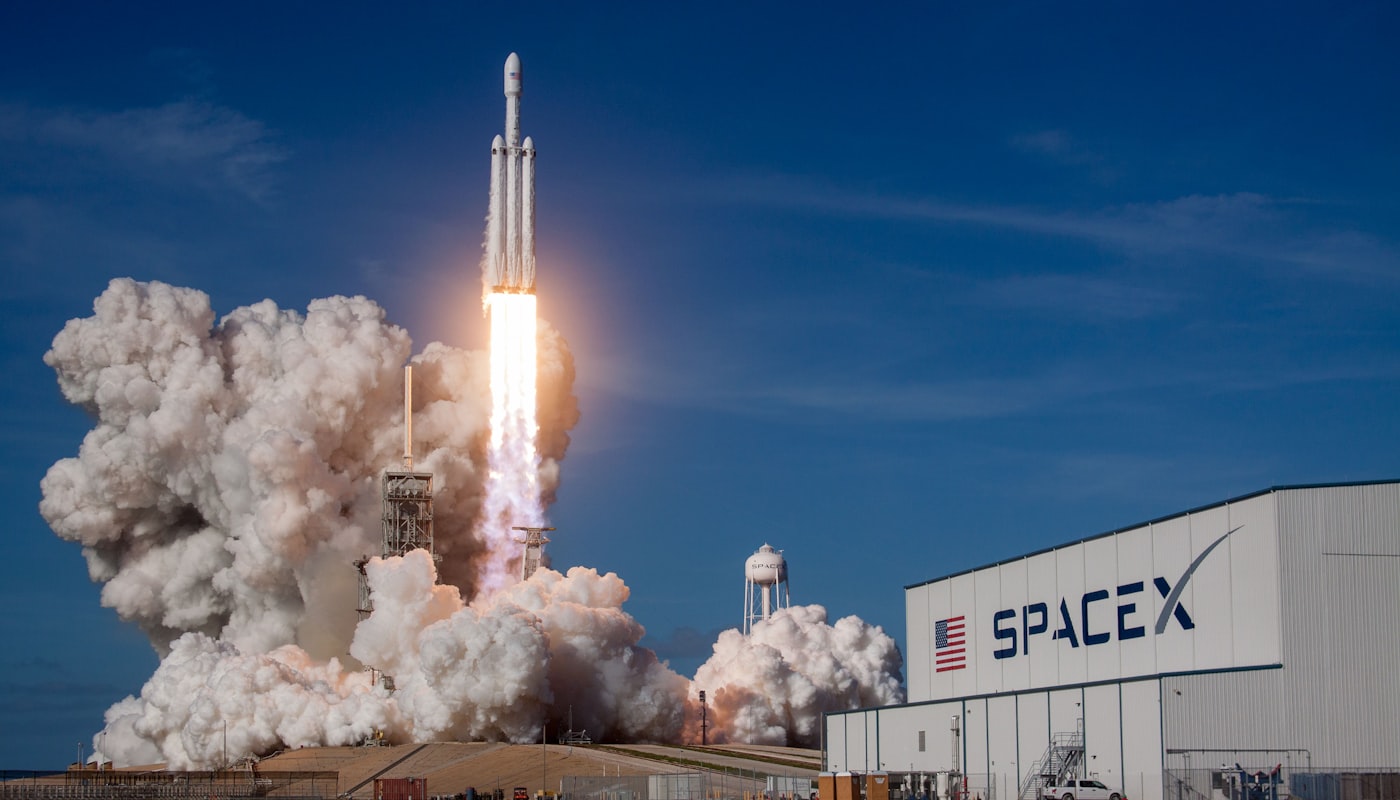
The clearest sign came when SpaceX launched its one hundredth orbital mission of the year, a Falcon 9 lifting off from Vandenberg Space Force Base to add another 29 broadband satellites to its ever growing Starlink constellation.
A Record Breaking Cadence
Reaching a century of launches before the year is even over is a milestone that reframes what routine access to space looks like, turning what used to be rare national events into an almost weekly industrial operation.
The company then pushed the boundary even further, launching back to back missions for Globalstar and the United States Space Force and shrinking the gap between two flights to a record 38.5 minutes, a genuinely astonishing turnaround.
The scale of the constellation behind all this is hard to picture, because Elon Musk confirmed that SpaceX now has more than 11,000 Starlink satellites in orbit, a fleet larger than nearly everything else humanity has ever launched combined.
China Joins the Reusability Club

The most significant development, though, may not be American at all, because on the nineteenth of August LandSpace became the first commercial Chinese company to land an orbital class booster back on the ground intact.
That achievement matters enormously, since reusability is the single biggest reason launch costs have fallen, and a Chinese commercial player mastering it signals that the technology is spreading well beyond one dominant company.
For years the ability to land and reuse a rocket was almost a private club of one, so a serious new entrant reaching that bar suggests the coming decade will feature real competition rather than a single company setting every record.
What Relentless Launch Rates Really Mean
All of this activity is not happening for its own sake, because cheaper and more frequent launches unlock everything from global internet coverage to Earth observation, scientific missions and the logistics of returning humans to the Moon.
On that front the news stays ambitious, as NASA has expressed strong confidence in its Artemis 3 mission, still targeted for 2027, which aims to put astronauts back on the lunar surface for the first time in over half a century.
The through line connecting a Starlink launch, a Chinese booster landing and a Moon mission is simple, that lowering the cost of reaching orbit is quietly rewriting what is possible across the entire space economy.
My view from Australia is that we are living through the moment access to space stops being scarce, and once launching becomes routine and affordable, the limiting factor shifts from the rockets themselves to human imagination.